UK Conservation Efforts
We have a number of specific species that are part of breeding programmes designed to assist in either the reintroduction of species into the wild (e.g. the white stork project) or helping to add to depleted wild populations (e.g. polecats). This is not done in isolation, but as part of much wider coordinated programmes with other establishments and individuals.
White Stork Conservation Project
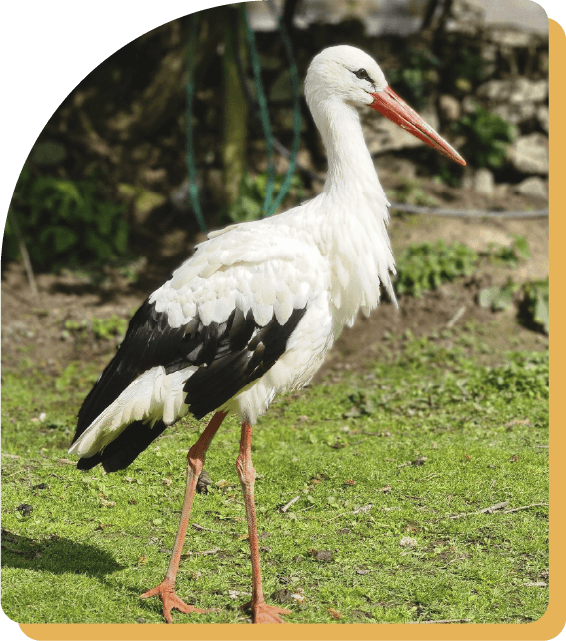
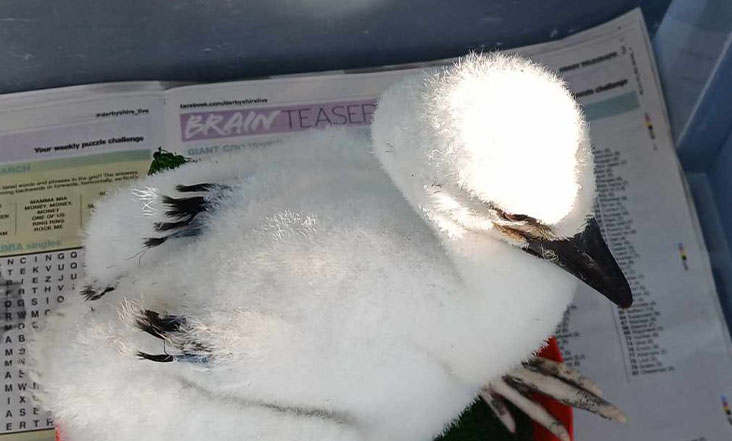
We are pleased to be collaborating with The Cornwall Stork Project and The Cornwall Nature Conservancy to work toward the reintroduction of White Storks into Cornwall.
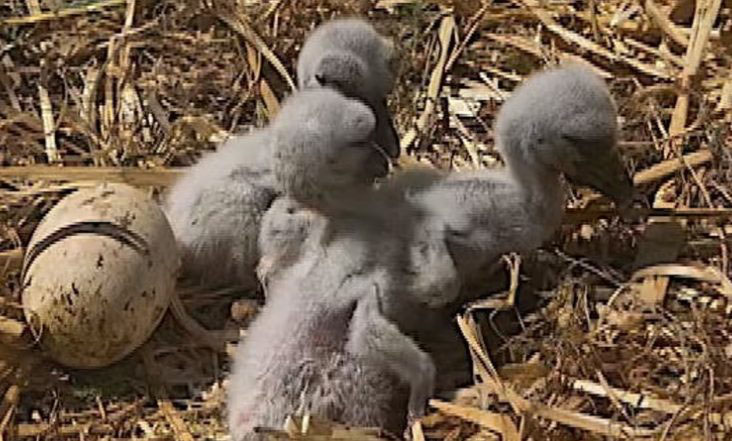
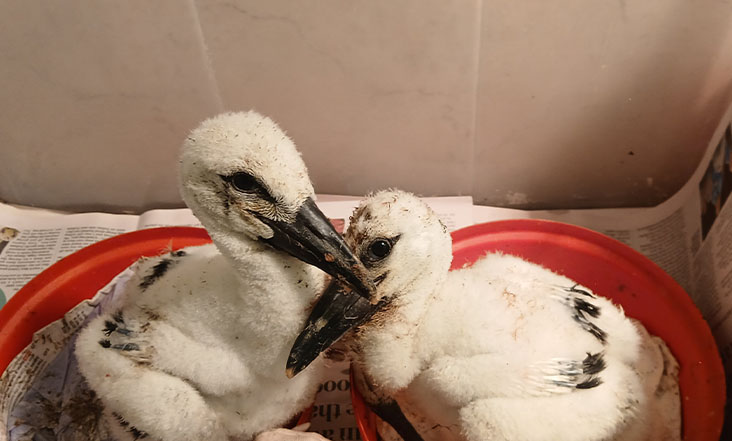
White Storks have been absent from the UK for 600 years. In the last few years, other rewilding projects have begun the process of reintroducing White Storks to the UK. We hand-rear young storks that have been born in Cornwall every spring/summer.
Once a viable flock has been established (hopefully around September 2026) they will be released into the wild. Following their natural migration, they will come back to Cornwall to breed, and we will see these magnificent birds flying over the Cornish countryside.
The project was featured on the BBC local news and more can be read about that here.


Polecat Breeding Program
Here at the Sanctuary, we are pleased to be a part of the conservation work for British polecats. We have a breeding pair, Frejya & Loki.
Freyja & Loki were born in May 2023 in the wild, where they were orphaned and subsequently cared for by a rescue centre in Surrey. They have come to the Sanctuary on loan from the Polecat Stud Book keeper. They are part of the UK breeding program and any young they have will be released, under licence, back into the wild.
In 2025 they successfully reared 10 babies – all of whom, once old enough to leave their parents, went up to Surrey for a managed, controlled and licenced release into the British countryside.
Weasels
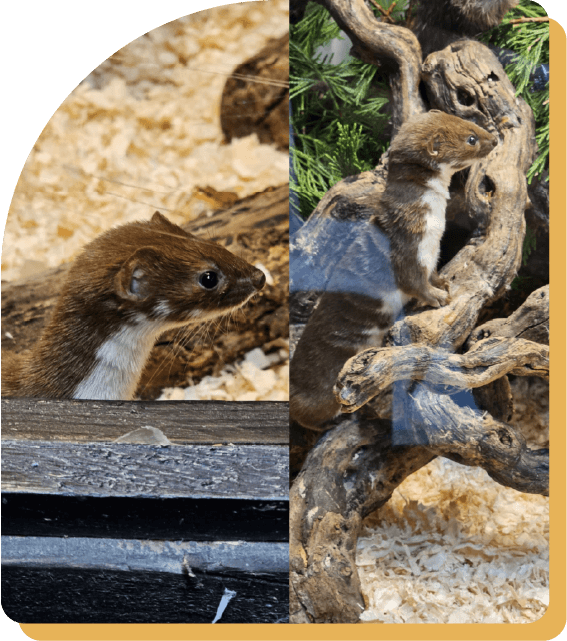
Allow us to introduce you to Kine & Kia our breeding pair of weasels.
Weasels are part of the mustelid family.
In 2024, Kia & Kine successfully raised 5 babies – all of whom, once old enough to leave their parents, were transferred to the British Wildlife Centre in Lingfield.
Find Out More
Our Wild Bird Hospital (Wildlife Rehabilitation & Release)
The Sanctuary moved to its current location on the Goss Moor in October 1994, with 22 aviaries and 37 owl occupants. The Owl Hospital (as it was called) opened on 9th November 2002 with the intention to treat, rehabilitate and release back into the wild as many wild owls and other birds of prey as possible.
Between 2002 and 2021, working closely with vets and other animal organisations, the hospital treated 1,337 wild birds.
Unfortunately, due to increased levels of Avian Influenza (Bird Flu), government regulations have prevented us from operating the hospital. There are ongoing efforts to create additional facilities on site to treat our resident owls and animals. This will allow us to separate wildlife treatment from resident treatment in a biosecure manner – and once again get back to the rehabilitation and release of wild owls that we love so much and has been such a significant part of our history.
Site Conservation Projects
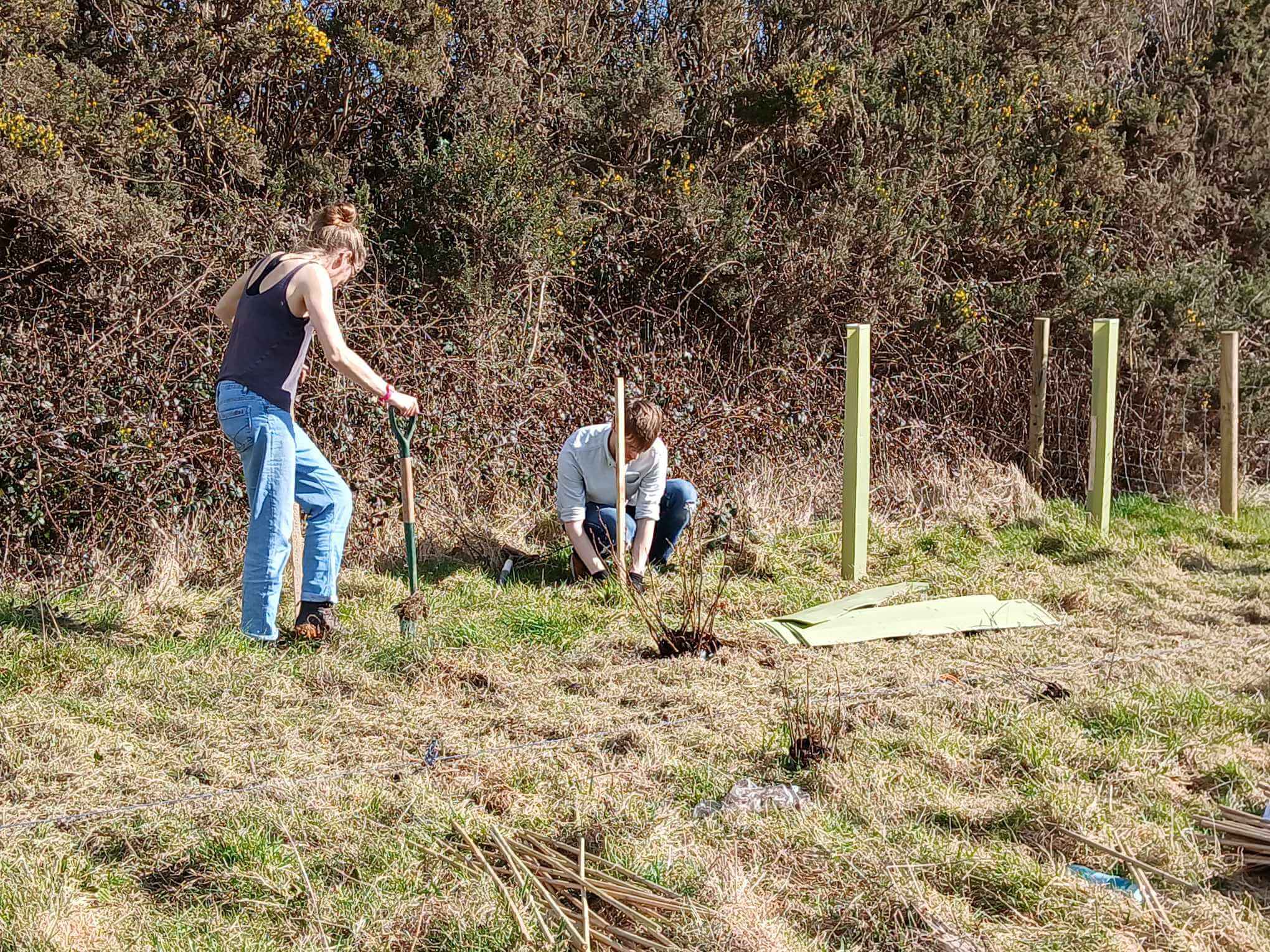
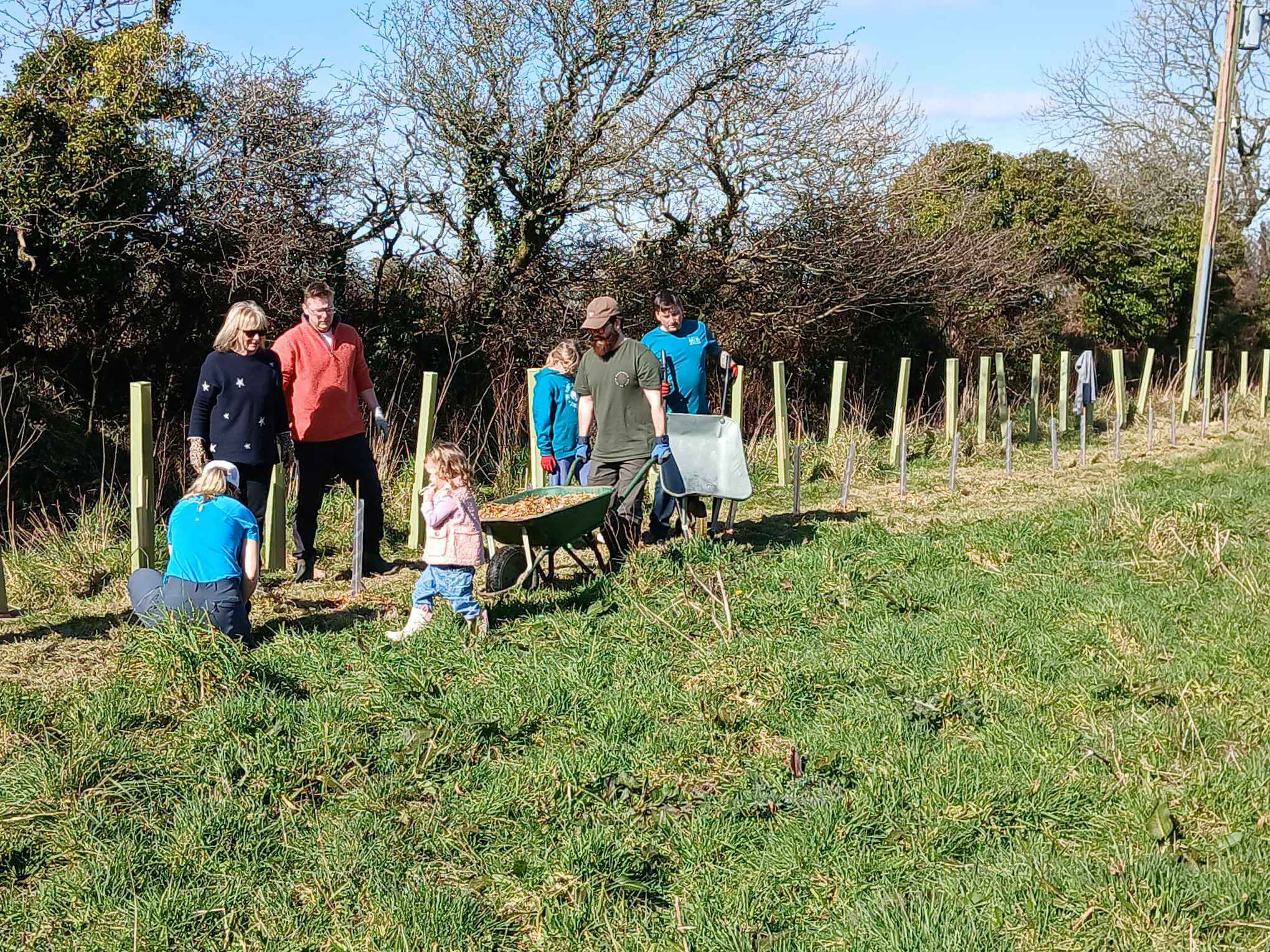
In the early months of 2025, with the help of a small army of volunteers and a grant from Forest for Cornwall, we planted 2,000 trees.
The purpose of planting the trees, developing the hedgerows and creating a willow arch was threefold; to support our natural wildlife, provide a space for visitors to enjoy and learn about natural flora and fauna, and to build a natural barrier around the site.
When choosing trees to be planted consideration was given to species already thriving in the local area and to the high soil moisture content of the land. Consideration was also given to providing suitable habitats for the natural wildlife and allowing for the local flora to naturally regenerate.
The trees and scrub species planted were all native and locally sourced. They were alder, birch, dogwood, hazel, hawthorn, holly, wild privet, crab apple, wild cherry, blackthorn, pedunculate oak, elder, rowan, gorse, guelder rose and a variety of willow.
This project won the Cornwall & Isles of Scilly 2025 Sustainability Award for Tree Planting.
Worldwide Conservation Efforts
Some species are critically threatened in the wild (due to climate change, deforestation, human activity, etc.) and it is through the efforts of captive breeding programmes that protected populations of the species can be maintained.
This ensures that the most endangered species are not lost, while conservation efforts look to protect or restore their natural environments. We also hold a number of “Ambassador” species [examples of threatened species which allow us to educate the public about the species, raise awareness and seek funds for wider conservation efforts].
Black and White Ruffed Lemurs are native to the rainforests of Madagascar and are classified as Critically Endangered. Their numbers have declined significantly due to habitat loss, hunting and deforestation.
The lemurs here at the Sanctuary are on loan from Cornwall Nature Conservancy and act as ambassadors for their species, helping us to raise awareness of the threats they face in the wild and the importance of protecting Madagascar’s unique habitats.
They are a new species for us and have come to the Sanctuary as part of an European Association of Zoos and Aquaria (EAZA) Ex-Situ Programme (EEP). This is a programme of population management and conservation for wild animals living in European Zoos. The Chaco Owl Project has been established to conduct important research into the Chaco Owl’s status and wild behaviours. The data will help identify the most effective plan for future conservation action.
These two owls will be ambassadors for their species, and we will be using them on the owl talks as part of our educational work.